
The frontline conversation lasts 3 seconds: the economics of instant communication
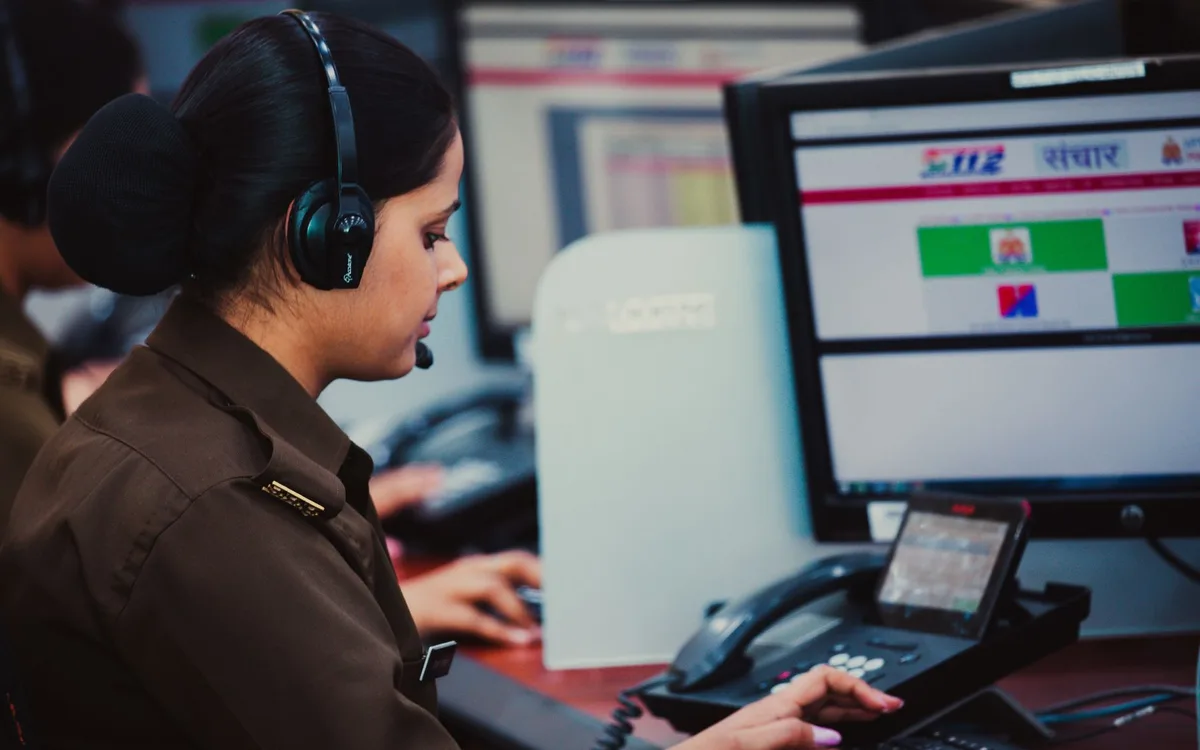
There’s a gap that decides the productivity of any field operation: the time between “I need to know” and “I know.” Between the driver’s question and the control room’s answer. Between the alarm at the site and the supervisor’s order.
That gap has a size. And it’s smaller than you think.
The frontline conversation lasts 3 seconds
We measured the length of 42.8 million audio messages exchanged by field teams on the BiPTT platform. The result: the median length is 3 seconds. The average, 4.7. Nine out of ten audio messages fit in under 10 seconds. (Details in the report The state of frontline communication.)
This isn’t conversation. It’s command, confirmation, coordination. “The truck’s here.” “You’re clear to release.” “On my way.” Field communication is transactional — small packets of information, traded all day long.
And that’s exactly where the economics live.
Why short is efficient
Compare the channels by overhead — the effort that surrounds the message, not the message itself.
- Phone: find the contact, dial, wait for the ring, hope they pick up. 20, 30 seconds before the first word.
- Email: open it, write it, formalize it, send it, wait for it to be read. Minutes, sometimes hours.
- Chat: unlock, find the thread, type, wait for the three dots.
- PTT: press a button. Talk. Done.
Push-to-Talk eliminates the overhead. Those 3 seconds are pure information — no dialing, no waiting, no typing. It’s communication stripped down to the essential. And it’s possible because BiPTT’s target latency is under 200 ms end-to-end.
The cost of anything that isn’t instant
Now multiply it out. If every coordination burns 30 seconds of overhead, and each worker does dozens per shift, and the operation runs hundreds of people across multiple shifts — the bill grows fast.
The productivity gain of instant communication isn’t in any single message. It’s in the accumulation: fewer people idle waiting for a reply, less rework from information that arrived late, decisions made at the pace of the field instead of the pace of email.
Instant by design
Three seconds is only possible because the tool was built for it: an always-open channel, one tap to talk, one-to-many to alert the whole team at once. No “calling…”, no “seen at 2:32 PM”, no queue.
Immediacy isn’t a detail of PTT. It’s the product.
Want to size up this gain for your own operation? Talk to a BiPTT specialist and see the business case for instant communication — or compare your current cost with the radio vs. app calculator.
Frequently asked questions
How long does a voice message last in field communication?
According to BiPTT data covering 42.8 million audio messages, the median length of a push-to-talk message is 3 seconds (average of 4.7 s; nine out of ten fit in under 10 seconds). It's not conversation — it's command, confirmation, coordination.
Why does instant communication boost productivity?
Because it strips out the overhead: with PTT there's no dialing, no waiting for a ring, no typing, no formalizing. The information arrives in the time it takes to press a button. Multiply that by dozens of coordinations per shift and hundreds of workers, and the time saved adds up.
What is the latency of BiPTT's Push-to-Talk?
BiPTT's target end-to-end latency is under 200 ms (source: technical specifications from the commercial baseline), which is what sustains instant voice communication between the control room and the field.