
Field operations keep no office hours: the 24/7 rhythm of the frontline
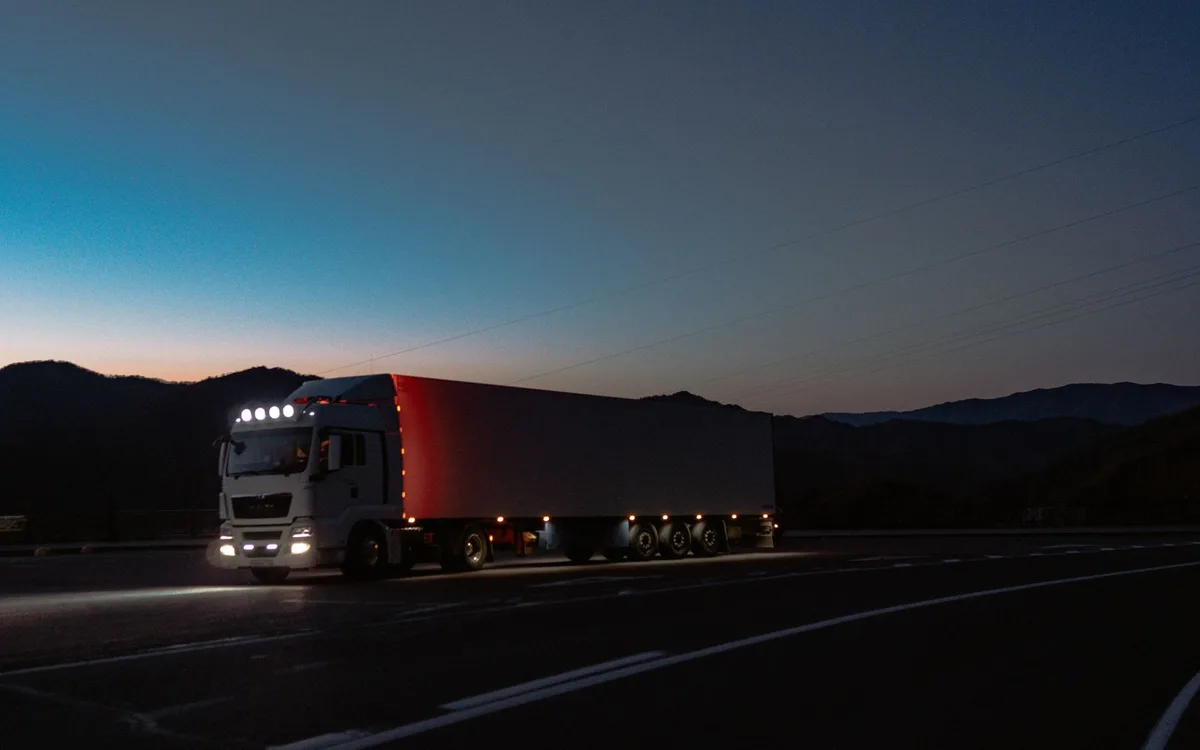
It’s 3am on a Sunday. For most work tools, it’s total silence: no one on email, no one on chat, the office closed. For a field operation, it’s an active shift — the security guard at the post, the driver on the road, the technician at a plant that never stops.
The frontline doesn’t work office hours. And the data proves it plainly.
The real rhythm of the operation
We looked at 91.5 million messages exchanged by field teams on the BiPTT platform. Two patterns jump out. (See the charts in the report The state of frontline communication.)
Across the day: the operation wakes up at 7am, climbs to a high plateau from 10am to 5pm (peaking at 3pm) — and never hits zero. Between midnight and 4am there are still hundreds of thousands of messages per hour. The overnight shift is always on.
Across the week: from Monday to Saturday, the volume is virtually identical. Sunday drops — but only about 36%.
Hold on to that number. An office tool would show an 80%-plus drop over the weekend. The frontline shows 36%. That gap is the portrait of an operation that never closes.
Who works the overnight shift
It’s not the exception. It’s the backbone of entire industries:
- Physical security — 24-hour patrols and posts.
- Logistics and transportation — freight that runs at night to arrive by morning.
- Continuous manufacturing — lines that can’t stop.
- Healthcare, utilities, mining — on-call shifts and nonstop operations.
For these operations, “after hours” doesn’t exist. There’s only the next shift.
What 24/7 demands of your tools
If the operation never stops, the tool that serves it can’t stop either. In practice, that means:
- Real availability — the channel has to be live at 3am just as it is at 3pm. BiPTT carries a minimum availability SLA of 99%.
- Presence and status — knowing who’s online, on which shift, and available.
- Shift handover — the history and recordings that whoever comes on needs to pick up where the last person left off.
- Escalation — when something happens overnight, the message has to find whoever can respond.
The mistake of treating the field like the office
Plenty of tools were built for the 9-to-5: notifications that respect business hours, support from 9 to 6, weekday-only SLAs. In the field, that fails exactly when it matters most — overnight, on Sunday, on the holiday, when the team is most alone.
Your operation doesn’t close. Your communication shouldn’t either.
Does your team operate 24/7? Explore the BiPTT platform and see how to keep the field connected at any hour — or talk to a specialist.
Frequently asked questions
Do field operations run on office hours?
No. BiPTT data across 91.5 million messages shows that from Monday to Saturday the volume of communication is virtually identical, Sunday drops only about 36%, and communication never falls to zero overnight (between midnight and 4am there are still hundreds of thousands of messages per hour). Field work is 24/7.
Which industries operate around the clock?
Physical security, logistics and transportation, continuous manufacturing, healthcare, utilities, and mining, among others — sectors with fixed posts, on-call shifts, and operations that can't stop. For them, the overnight shift is the rule, not the exception.
What is BiPTT's availability (SLA)?
BiPTT's minimum contractual availability is 99% (source: commercial baseline), with the channel live at 3am just as it is at 3pm — a requirement for serving operations that run 24 hours a day, 7 days a week.