
The History and Evolution of the Portable Radio
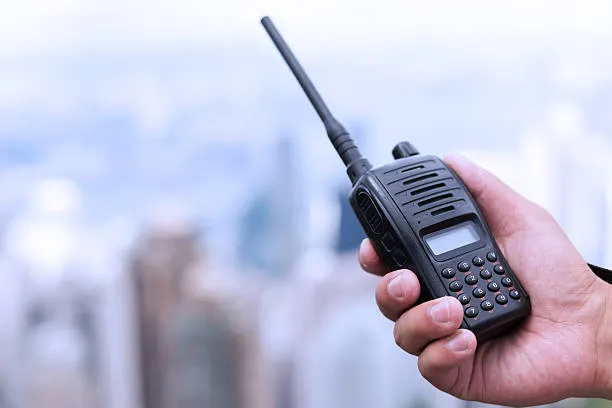
The portable radio peaked in the 2000s, merging the cell phone and the walkie talkie. Aimed at the corporate market, it was a fast means of communication that consisted of waiting for the other person to finish speaking in order to free up the line.
Over time this changed, and it is now possible to have the portable radio function without always needing a physical device for it. With an operating system that turns any mobile device into a walkie talkie, you can save on maintenance and exchange information even more quickly.
This is a technological advance called push to talk, which updates the portable radios of the past, being at once a present and a future. With constant updates, the software is ready for innovation and also meets a company's management needs.
Summary
- A Journey Through the Time of Portable Radios
- The First Portable Radios in the World
- The portable radio with current technology
- Push to talk, the new portable radio
- What to expect for the future of the portable radio?
A Journey Through the Time of Portable Radios
Two important and renowned inventors are recognized as developers of the radio as an information technology. They are the American electrical engineer Nikola Tesla and the Italian physicist Guglielmo Marconi.
Since nothing is created and everything is transformed, to this day there is no concrete proof of who actually originated the portable communicator radio, but without a doubt both inventors played a very important role in the evolution of the radio.
In 1906 the first radio transmission took place in the United States; in 1922 it arrived in Brazil during the Centennial of Independence. The transmission was made directly from Morro do Corcovado, where the country's first radio station was inaugurated.
The First Portable Radios in the World
The communicator radios in the walkie talkie format as we know them appeared in 1936, adapted by a brand that was very well known at the time. It was from that year on that people were able to communicate as if they were using a cell phone
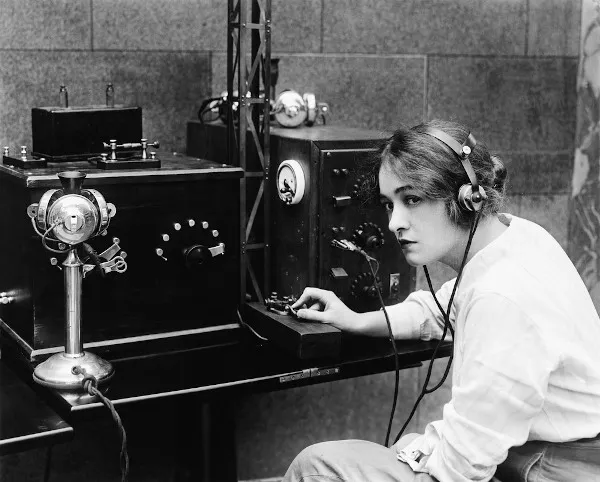 Telegraph
Since it had only a single frequency, it began to replace telegraphs, which were the most widely used means of communication at the time and could send text signals or symbols, a form of writing at a distance.
Before reaching the general public and companies, specific portable radios were intended for the army and the highway patrol of the United States. It was widely used in the monitoring of the Second World War.
In the 1940s, the “handle talk” was invented, the grandfather of the cell phone, and from that point on telephony went through several transformations, until reaching the mobile devices we have today. Such as tablets, smartphones and even smartwatches.
The portable radio with current technology
Mobile devices, combined with technology, began to replace the portable radio, the walkie talkie. This is because the era of communication is immediate; we all need information faster, and this also includes phone calls, which are becoming scarcer due to the audio messages that several apps offer.
For this reason, the gateway was developed, which turns any mobile device into a communicator radio, by downloading the BiPTT app or simply by accessing its software from an online browser.

Push to talk, the new portable radio
Push to talk is the portable radio of the cloud; just press a button and any employee can exchange information in real time.
And as a bonus, leaders have exclusive access to the management system, recorded messages, geolocation monitoring and call permissions. They can decide which employees and which departments can communicate.
This current era was innovated by the creation of push to talk, which aligns with the Data Protection Law, has top-grade encryption so that no data leaves the platform, and also helps companies have control over everything related to their information, without invading employees' privacy.
What to expect for the future of the portable radio?
The world will become increasingly technological and migrated to the cloud; some say that in the future everyone will work immersed in a metaverse with smart homes, and with the speed of information even faster.
New technologies will emerge, and the digital portable radio will certainly be affected by them as well, with more updates and improvements to make usability better and better.
Companies will have the cost of hiring the tool, without worrying about maintenance or reliability breakdowns. Technology will work in your favor and will boost your business.
Schedule a demonstration and test in practice how the online portable radio can be very efficient in time management and increasing your team's productivity.
Did you already know the history of the portable radio?
Read also: Online communicator radio X Portable communicator radio