
How Did the Armored Truck Come About?
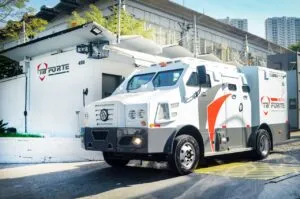
The armored truck is a vehicle created specifically to transport valuables and cargo of high monetary value.
This article explores the origins and curiosities of these special cash-in-transit vehicles, popularly known in Brazil as carros-fortes, which evolved over decades by drawing on military and logistics technologies until they became the largest road vehicle combinations.
Today, armored trucks are used not only to transport hard cash, but valuable cargo in general, ranging from jewelry, works of art and documents to electronics and medications.
Throughout the 20th century, the need to transport valuable cargo gave rise to countless specialized companies and their respective vehicles, which took advantage of military technologies for outfitting heavy vehicles.
But the story of the first cash-in-transit company and its vehicles began around 1859, in Chicago, USA, with animal-drawn vehicles used to transport various kinds of cargo; during this period the city was growing and was one of the most important in the American Midwest.
Born in New York, Washington Brink, seeing the opportunity, founded a small transport company with a cart and a horse: the Brinks City Express. Does that name ring a bell?
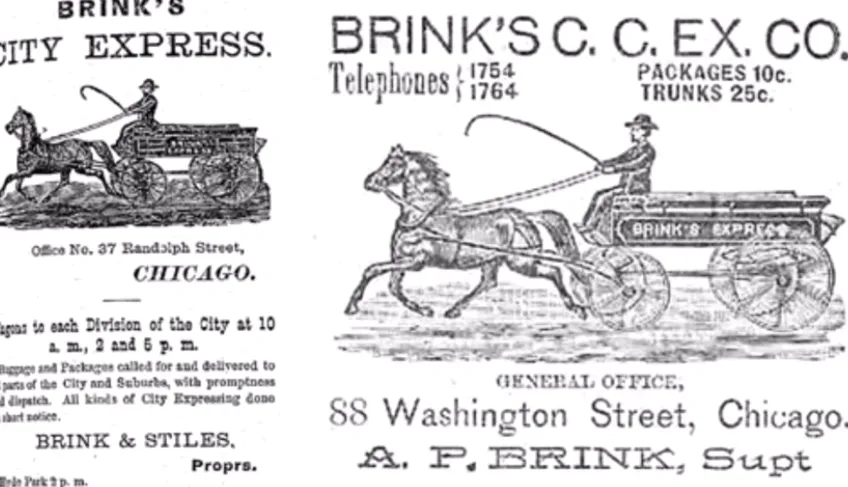
As time went by, Brink's felt the need to increase the size of its carts and then to replace them with motorized vehicles. After all, demand for cargo transport only kept growing, as did the motorized vehicle industry, but they were still extremely rudimentary.
The company's founder died tragically in 1874, and his only son then took over the business, attracting new capital to the company. Brink's began to take a new direction when it transported the first payroll in dollars, in 1900, that is, it made the first bank delivery, thus becoming the first cash-in-transit company in the world.
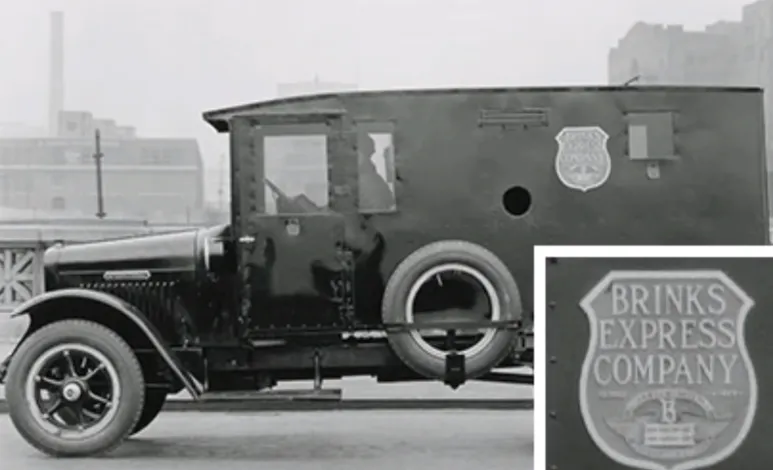
Years later, a new direction became necessary, as the first robbery of a cash-in-transit vehicle occurred: four heavily armed men killed the Brink's guard who was stepping out of the vehicle carrying money. From then on, the carriers had to better protect their clients' money, and so the first armored truck emerged in 1918, a kind of enclosed truck with rudimentary steel armor.
Protection against enemy attacks was a very old invention, dating back 2,000 years before Christ; the Chinese were responsible for this technology, with metal plates on ships. Another important figure in the history of armor was Leonardo da Vinci, with the creation of the first war tanks in the 15th century, though for many years without major advances.
Just as the expansion of large cities led to the need to transport goods and valuables, in the early 20th century the First World War took place, generating a great expansion of defensive armament technology, a time when the first armored war vehicles were created.
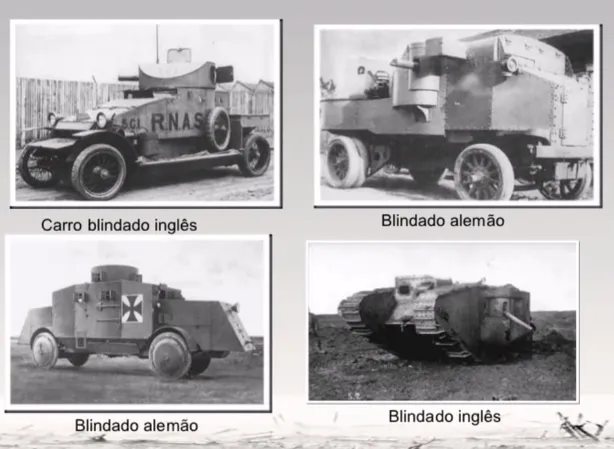
After the war, armoring technology was put to use in the civilian world, with armored cars for political figures and, of course, the creation of more modern armored trucks; one notable advance was the application of bullet-resistant glass.
Other cash-in-transit companies emerged, but Brink's was the first in the world and also the first to arrive in Brazil, in 1966, to begin its operations in the country. Brink's contracted Massari, a Brazilian manufacturer of road equipment and buses, to build 8 armored trucks according to the design from headquarters, mounted on national trucks, Chevrolet C-65, which were the first armored vehicles for cash-in-transit of modern design produced in the country.
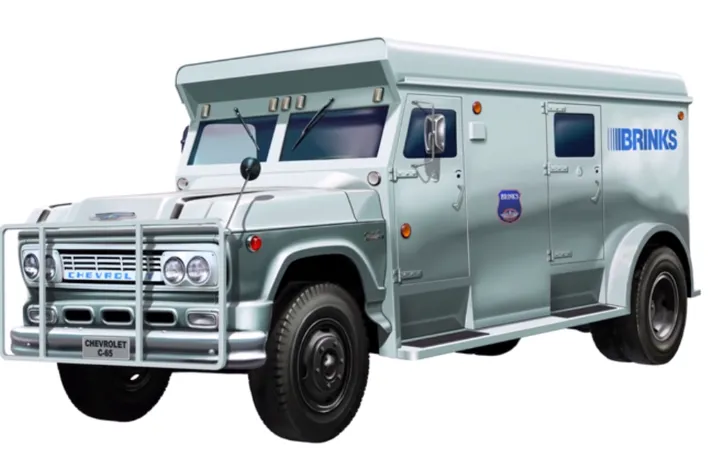
Armoring designs evolved over the years, as did the other security, locking and communication systems, especially since the first robbery of an armored truck in Brazil occurred as early as the 1970s, leaving some injured and one fatal victim; one of the weak points that required improvements was the bulletproof glass.
In the early 1980s, Brink's decided to manufacture its own bodies, and to do so created Brink's Viaturas e Equipamentos; however, the company did not stay long in the in-house production business, since after all it was easier to take advantage of the technologies that were emerging through several new manufacturers. Massari itself still built some models, and other manufacturers emerged, such as the former NR, of Pernambuco origin, the São Paulo-based IPCM, MOV, TCT, DEMEC and MIB, the Santa Catarina-based Dominik and the Rio de Janeiro-based Xavante.
Armoring technologies received improvements to increase safety and reduce weight for better agility and lower fuel consumption; the more detailed specifications of construction and the details of the armoring and its resistance levels are kept as industrial secrets by the factories.
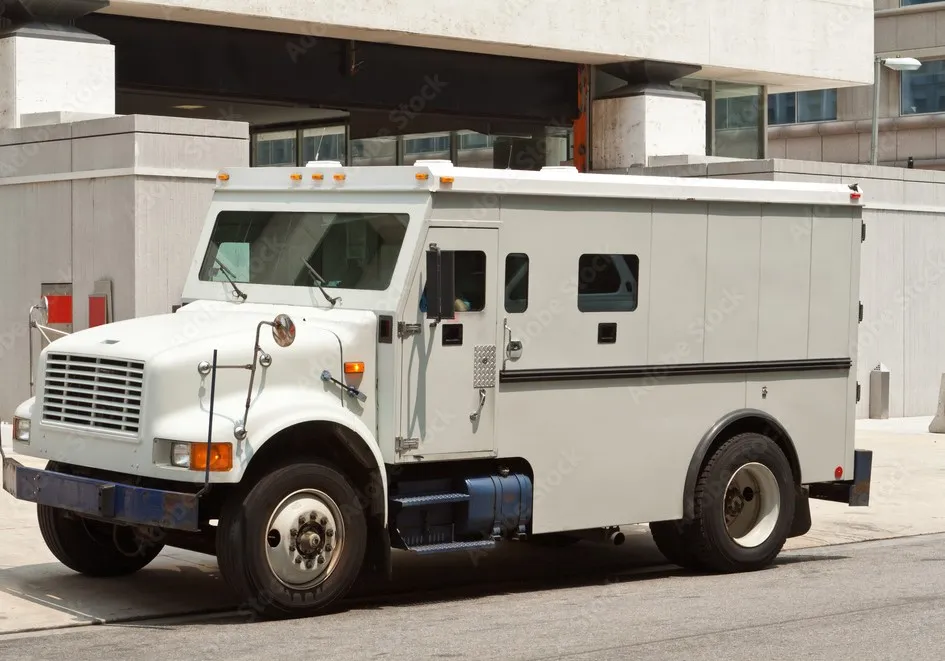
An interesting fact is that, in the early days of this history, cash-in-transit vehicles ended up taking advantage of technologies that emerged in military circles for defense in wars, and decades later vehicles similar to armored trucks would be used by police forces for civil disturbance operations or urban combat in high-risk areas, such as the famous "Caveirões" used from the 2000s onward.
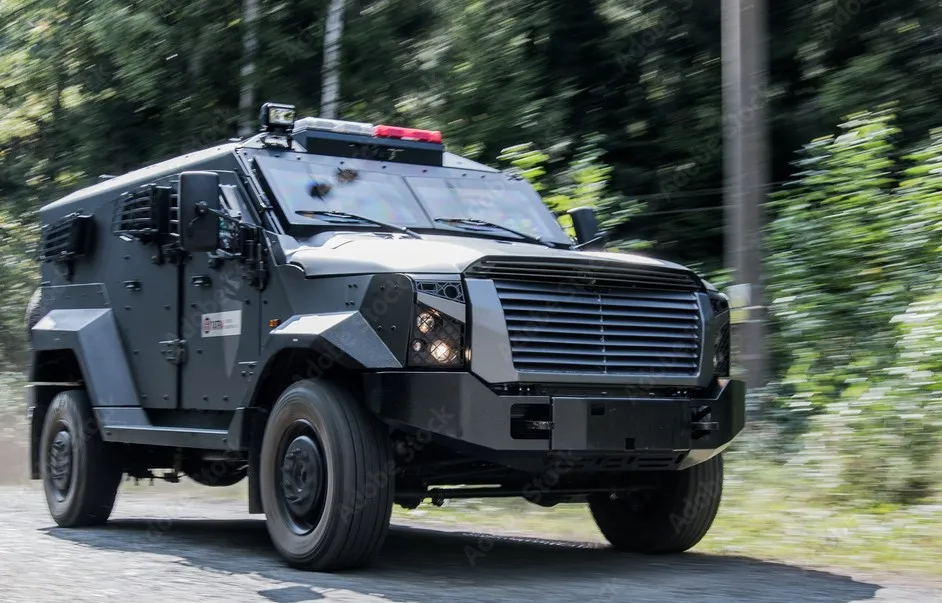
Cargo transport, in general in Brazil, continued to grow, not only in technology but also in security problems, and due to the growing risks of cargo theft, cash-in-transit and armored transport increased in size, switching to larger and tandem-axle trucks (When it has six points of contact with the ground, a set of mixed axles. One of them is single, at the front; and one of them is double, at the rear. The double axle acts directly on the engine's power.) instead of adaptations on truck chassis; some companies began offering chassis designed specifically for armored trucks.
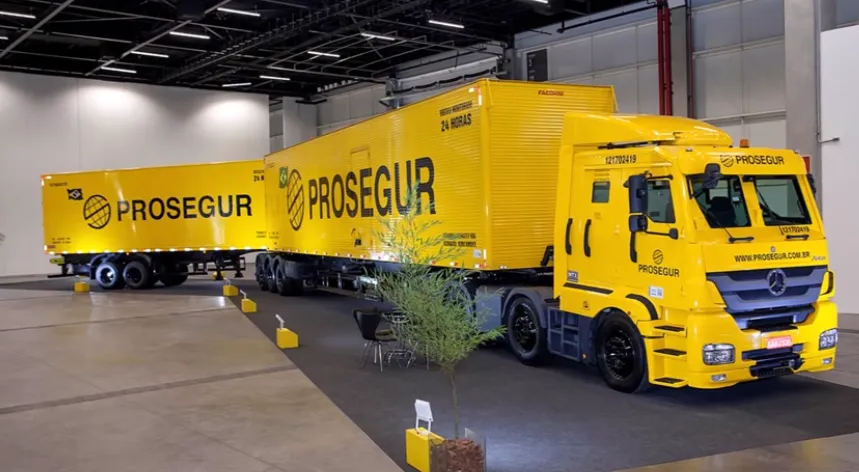
In 2018, it had been 100 years since the creation of Brink's first armored truck in the United States and 52 years since the manufacture of the first Brazilian one built by Massari, and in that same year, in 2018, the largest vehicle for transporting high-value cargo in Latin America was presented, made up of a tractor unit that can form a combination with two trailers up to 30 meters in total length and 74 tons of total gross weight, the largest road vehicle combination permitted in Brazil for visible cargo.
And how can you ensure the success of cash-in-transit or armored truck operations?
It is very important that the operations of cash-in-transit companies be agile and secure. Since they transport very valuable items, there can be no failures, and for that to happen the team must have clean, fluid and real-time communication, every second matters when it comes to protecting your team and the assets being transported, and efficient communication can prevent major losses.
For this, BiPTT is necessary, a Push-To-Talk (PTT) communication software that will bring numerous advantages to the operation. In addition to enabling clean, noise-free and secure real-time communication, with end-to-end encryption, making it impossible for anyone outside the team to access the information exchanged, the platform offers various other features that will make your team's day-to-day easier, such as the real-time location of employees, access to the entire itinerary they traveled during a given route, and the history of the calls made; these features bring more security and enable the success of the operation.
BiPTT has two very interesting success cases with two cash-in-transit companies, Blue Angels and TBForte.
Want to know more about how BiPTT can revolutionize this sector? Visit our website.
Also read: