
What is prehospital care (APH)?
APH is the Portuguese acronym used when speaking of prehospital care; its meaning comes from the ambulances and rescue services that respond to emergency calls at home or in the street, providing the first medical care. Prehospital care is an essential activity, since it is at that moment that its work is able to prevent fatalities.
 APH symbol
The term began to be used in the late 1700s by Napoleon's French military chief physician, Baron Dominique Jean Larrey, also known as the father of prehospital care. The “Baron Larrey” is known as the father of emergency medical services in the modern era and was able to recognize the need for immediate prehospital care.
In the early 1800s, he had established the basic theory of prehospital care that we continue to use to this day:
Prehospital care includes:
- The ambulance
- Proper training of medical and rescue teams
- Care and recovery of the patient on the battlefield
- Controlling hemorrhage while still in the field
- Transport to a nearby hospital
- Providing care along the way
- Development of frontline hospitals
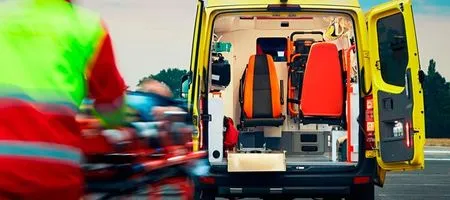
Prehospital care services began in Brazil in a postwar period, in 1949, when the Emergency Home Medical Assistance Service – SAMDU emerged. However, even though it had been implemented, the services remained static for nearly 40 years.
On July 9, 1986, the GSE, Emergency Rescue Group, was created in the city of Rio de Janeiro and was then the service responsible for offering emergency services that had previously been provided irregularly by untrained teams in public hospitals.
The GSE became a model for other states in the country, and by the early 1990s Brazil had implemented prehospital care on a large scale with properly trained teams.
Prehospital care can be divided into two segments: Fixed and Mobile prehospital care, which, despite the division, both share the same goal of saving lives.
Fixed prehospital care is the kind in which people travel to a specific location in order to receive care. These can therefore be lower-complexity health facilities, such as urgent care units (UPAs) and emergency rooms. In them, first aid is provided in order to maintain the victim's vital signs until it is possible to transport them to another, more complete facility.
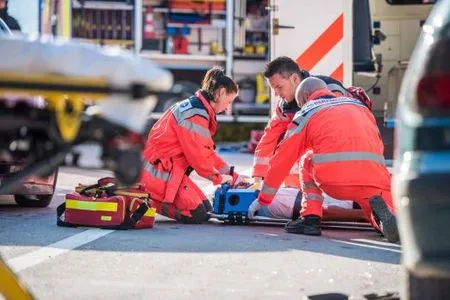
Mobile prehospital care is, as the name says, the kind that travels to the site of the event, which may be accidental or clinical. SAMU (the Mobile Emergency Medical Service) is a quite representative example of this segment.
As soon as it is dispatched and informed of the nature and location of the accident, a regulating physician will assign a team and vehicle that are able to respond to the emergency.
It is a multidisciplinary process, since it involves public activation through the call to 192, which may therefore involve other reference teams such as: firefighters, civil defense, air transport, and ground rescue teams. From the triage carried out at the start of the call, it will be possible to classify the appropriate procedures and professionals.
The main objective in carrying out prehospital care services is to stabilize and/or immobilize the victim and remove them as quickly and safely as possible to the nearest reference health facility.
Regardless of the time and the circumstances identified along the way, these professionals must prevent the worsening of the injuries caused by the accident and keep the victim alive until arrival at the destination.
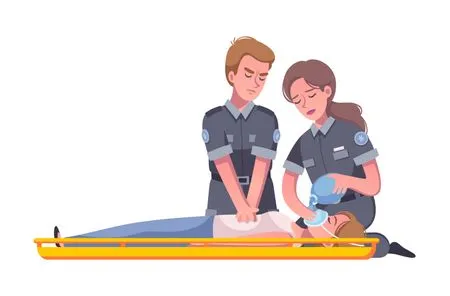
It is important to emphasize that prehospital care services are not carried out by one or two people; there is a team made up of several professionals, divided into two groups:
Healthcare professionals:
- Physicians;
- Nurses;
- Nursing assistants and nursing technicians;
Professionals from other fields:
- Police officers, municipal guards;
- Firefighters and drivers of urgent and emergency vehicles;
It is no exaggeration to state that communication in prehospital care services is fundamental and decisive. The fact that it begins at the moment of the call to the dispatch service, and passes through different teams until it reaches the scene of the incident, highlights the need for a robust and secure communication system that is fast and accurate.
The exchange of information is essential to provide the best care, since it can result in a life saved or a fatality. Communication within prehospital care services is constant, technical, and guided, and to have an excellent team it is crucial that this communication be effective.
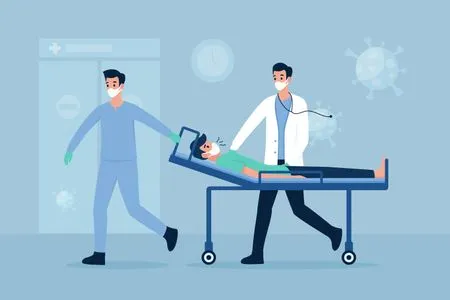
The importance of good communication in prehospital care
Since there is a plurality of professions, the importance of maintaining aligned communication that is fast, agile, and accurate stands out.
In order to ensure safety in carrying out the activities, it is necessary to eliminate any kind of noise in communication, whether caused by delays or mistakes. For example, services that offer geographic tracking, message saving, and encryption are essential and highly relevant for this segment.
Want to learn more about how BiPTT can work to optimize healthcare services? (click here) and learn more about the technological solutions designed based on the demands of each corporate segment. Communicate the right way, after all, it is able to save lives!