Phonetic alphabet: What is it and how to use it?
The International Phonetic Alphabet (IPA), is the language in which each letter has a meaning and represents a sound. It can be used to transmit codes and in global communication.
A way to standardize the sounds of languages, so that any language can be understood through these phonetic codes. This way, everyone could understand what the other means even if their language is different.
The phonetic alphabet is widely known for helping to avoid misunderstandings in spoken communications. Widely used in environments such as aviation, security, logistics, and industrial operations, it emerged to solve a critical problem: noise, interference, and failures in verbal communication.
But, in practice, many companies still face difficulties even when using the phonetic alphabet. Why?
Because the problem is not always just in the words, but in the communication medium.
In this article, you will understand:
- The role of the phonetic alphabet in professional communication
- Why it does not solve everything on its own
- How modern push to talk solutions, such as BiPTT, enhance team communication
- How to reduce errors, rework, and operational costs
Summary
- What is the phonetic alphabet?
- World phonetic table:
- NATO table
- Where is the phonetic alphabet used?
- Who can use the phonetic alphabet?
- How to use radio communication with the phonetic alphabet?
- Benefits
- The Real Problem: It's Not Just What You Say, But How You Communicate
- Professional Communication Requires Professional Technology
- How BiPTT Enhances the Use of the Phonetic Alphabet
- 🔊 Clear and Instant Communication
- 📱 Goodbye to Traditional Radios
- 🌎 Unlimited Range
- 🧠 Fewer Errors, More Efficiency
- Reducing Operational Costs in Practice
- Phonetic Alphabet + Push to Talk: The Ideal Combination
- Communication That Delivers Results
- 🚀 Take Your Company's Communication to the Next Level
What is the phonetic alphabet?
It is a phonetic notation system; the alphabet is composed of 157 languages. It was created by the French linguist Paul Passy in 1886, in a guidance project.
Over the years it came to be called the International Phonetic Association (IPA). This alphabet underwent several modifications, the latest of which was made in 2005. Widely used in military areas, so that they do not encode their route information.
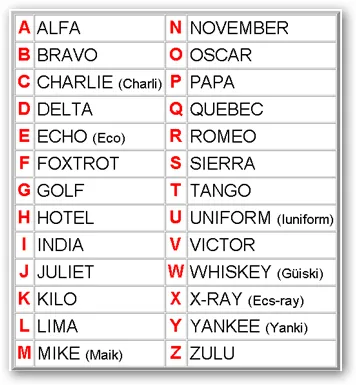
World phonetic table:
NATO table
The phonetic alphabet of the North Atlantic Treaty Organization (NATO) is also considered international. It was created for the exchange of information between the air force, navy, and army during World War II.
Although NATO is an acronym, it is also a spelling; each letter means a code. It is known worldwide as NATO because it carries the English spelling North Atlantic Treaty Organization.
Curiosity: In the Brazilian air force, the radiotelephone alphabet is called Zulu, which coincidentally is the code for the last letter.
Where is the phonetic alphabet used?
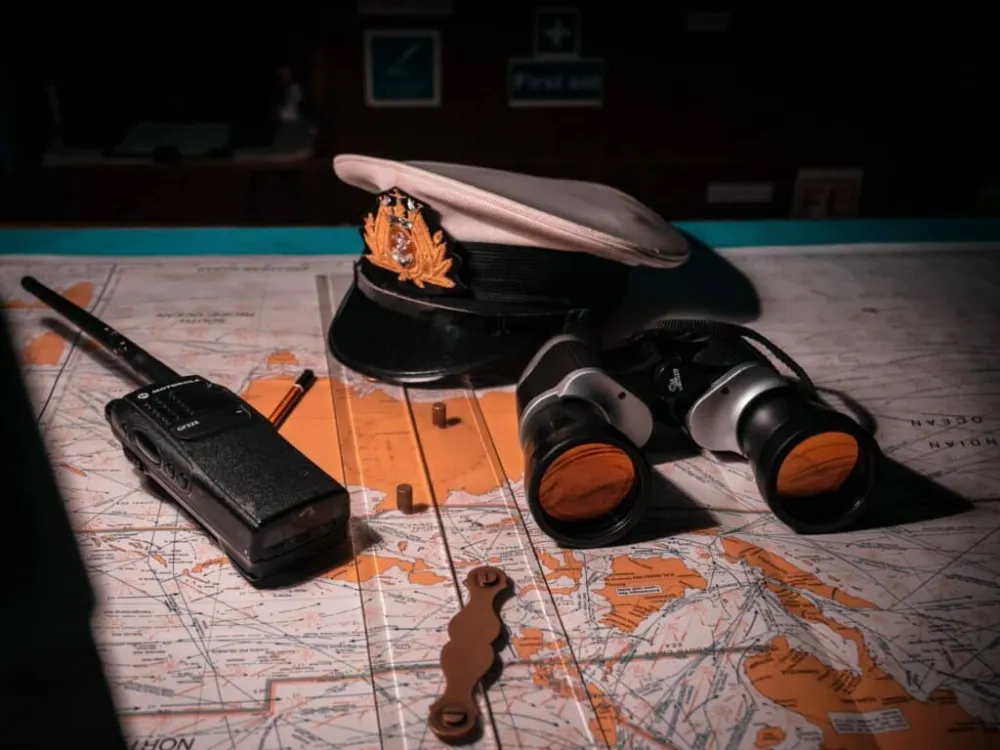
In military areas such as the navy, army, and especially the Air Force, where it is called the aviation phonetic alphabet or aeronautical alphabet. Pilots use it to carry out communication between the aircraft and the Control Tower, so they can pass on identifications through the codes.
Therefore, when the pilot passes on the aircraft's prefix, it will be through the phonetic alphabet. E.g.: AT-GYJ, they will tell the Tower: Alpha Tango Golf Yankee Juliett and they will already know which route this plane is located on.
Who can use the phonetic alphabet?
It can be used by private aviation companies or any business that decides to expand coding in the rapid exchange of information. All team members know this coding.
If a crew member wishes to use the phonetic alphabet to pass on the information of their flight, that is also allowed. We usually use N for Navio (Ship), A for Avião (Plane) when we are going to spell something, but for the team it works better with the NATO one.
How to use radio communication with the phonetic alphabet?
Company employees do not need to talk in codes, because their message exchanges are already protected and encoded by the Push To Talk (PTT) software. Radio communicators are a technological facilitation for effective management and exchange of information among teams.
Any mobile device and computer can have simultaneous and real-time access; just use the BiPTT platform or app, and your cell phone becomes a radio communicator, with the same functionality as a walkie talkie but much more modern.

It also picks up signal from cell phone towers and synchronizes with radio systems. The option to use the phonetic alphabet when making calls is up to your team.
With coding and technology, your information is shielded. And better still, it has encryption and applies the General Data Protection Law, so that no information leaks from the platform.
Benefits
It has geolocation, so they don't need to report to the office all the time; they have the autonomy to check and verify whether the route matches the itinerary. All conversations are recorded, so the manager can check the information whenever they wish.
Control of your company's communication is just one click away, with permission commands for calls; you define who is authorized to contact other departments, and access can be restricted.
The Real Problem: It's Not Just What You Say, But How You Communicate
Many companies still use:
- Traditional radio communicators
- Phone calls
- Fragmented messages across different apps
- Old or frequently failing equipment
Even when using the phonetic alphabet, these means generate:
- Audio cutouts
- Interference
- Response delays
- Lack of communication history
- Difficulty in managing teams
The result?
👉 Errors keep happening
👉 Rework increases
👉 Productivity drops
This is where the need for a modern and efficient solution comes in.
Professional Communication Requires Professional Technology
For the phonetic alphabet to fulfill its role efficiently, it needs to be integrated into a system that offers:
- Real-time communication
- Clean and stable audio
- Unlimited range via internet
- Centralized user management
- Security and reliability
That is exactly what BiPTT delivers.
How BiPTT Enhances the Use of the Phonetic Alphabet
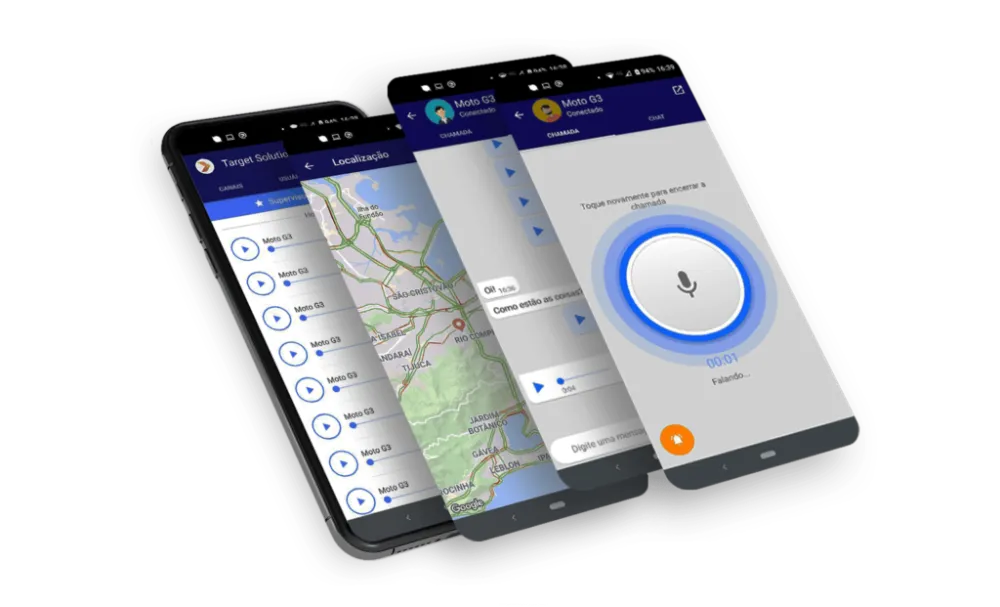
BiPTT is a Push to Talk (PTT) software that turns smartphones and mobile devices into professional radios, using the internet (Wi-Fi or mobile data).
See how it takes the use of the phonetic alphabet to another level:
🔊 Clear and Instant Communication
With high-quality digital audio, BiPTT reduces noise and interference, ensuring that every word, including phonetic alphabet terms, is understood correctly.
📱 Goodbye to Traditional Radios
No more expensive, fragile, or hard-to-maintain equipment. BiPTT works on devices your team already uses, reducing costs and simplifying operations.
🌎 Unlimited Range
While conventional radios have limited range, BiPTT works anywhere with internet. Ideal for distributed operations, branches, or external teams.
🧠 Fewer Errors, More Efficiency
When communication flows without failures, the use of the phonetic alphabet becomes truly effective, avoiding:
- Duplicated information
- Misinterpreted orders
- Wasted time with constant confirmations
Reducing Operational Costs in Practice
Companies that adopt BiPTT quickly notice financial gains:
- Less spending on physical equipment
- Less technical maintenance
- Reduction of operational failures
- Less rework
- More productivity per employee
In other words, communication ceases to be a bottleneck and becomes a competitive advantage.
Phonetic Alphabet + Push to Talk: The Ideal Combination
The phonetic alphabet remains an excellent practice, but on its own, it does not solve the challenges of modern communication.
When combined with a solution like BiPTT, it becomes a powerful tool for:
- Critical operations
- Noisy environments
- Teams that need to act fast
- Companies that cannot afford to make mistakes
If your company depends on clear, fast, and reliable communication, it's time to go beyond traditional methods.
Communication That Delivers Results
Efficient companies do not rely only on good practices; they invest in the right tools.
The phonetic alphabet helps, but it is technology that ensures the message arrives without failures.
BiPTT connects your team in real time, eliminates noise, reduces costs, and improves operational performance.
🚀 Take Your Company's Communication to the Next Level
No more failures, delays, and outdated equipment.
👉 Discover BiPTT now and see how to transform your team's communication with more efficiency, savings, and security.
🔗 Visit: https://biptt.com.br/
📞 Request a demo and discover the benefits of professional Push to Talk in practice.
Did you already know about the use of the phonetic alphabet?
Check out our cases that improved internal communication with PTT
Read also:
Military Phonetic Alphabet beyond borders: Practical Applications
Does your team use radios? Turn their phone into a professional radio.
BiPTT takes instant communication beyond radio range — voice, location and central management, wherever there’s 4G or Wi-Fi.